
Refrigerant compliance
Every gram accounted for, in your country's regime.
FaciliTime records refrigerant in and out per unit and per cylinder, calculates CO₂e and schedules the inspections that fall due. The logbook is ready when the inspector asks.
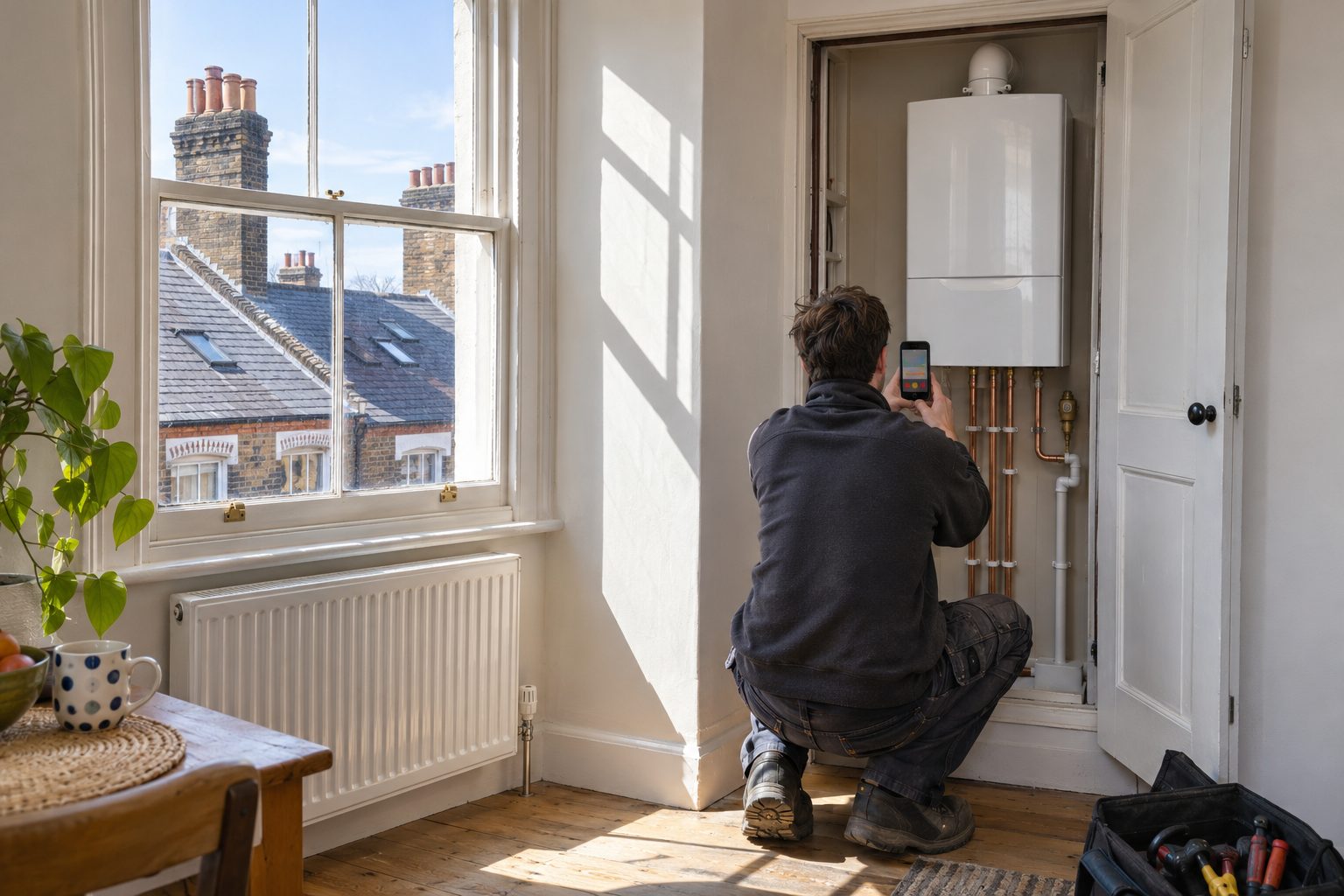
The ledger
Recorded while the engineer works, not afterwards.
- 01
Per unit
Every addition and recovery, against the unit it went into or came out of.
- 02
Per cylinder
Each cylinder's contents followed from delivery to return.
- 03
CO₂e calculated
Charge size becomes tonnes of CO₂ equivalent without a spreadsheet.
- 04
Logbook export
An audit-ready record for any unit, site or customer.
Inspections
Leak checks fall due on their own.
Inspection cycles are scheduled from charge size and equipment class. The job appears when the check is due, with the unit's history attached.
For HVAC and refrigeration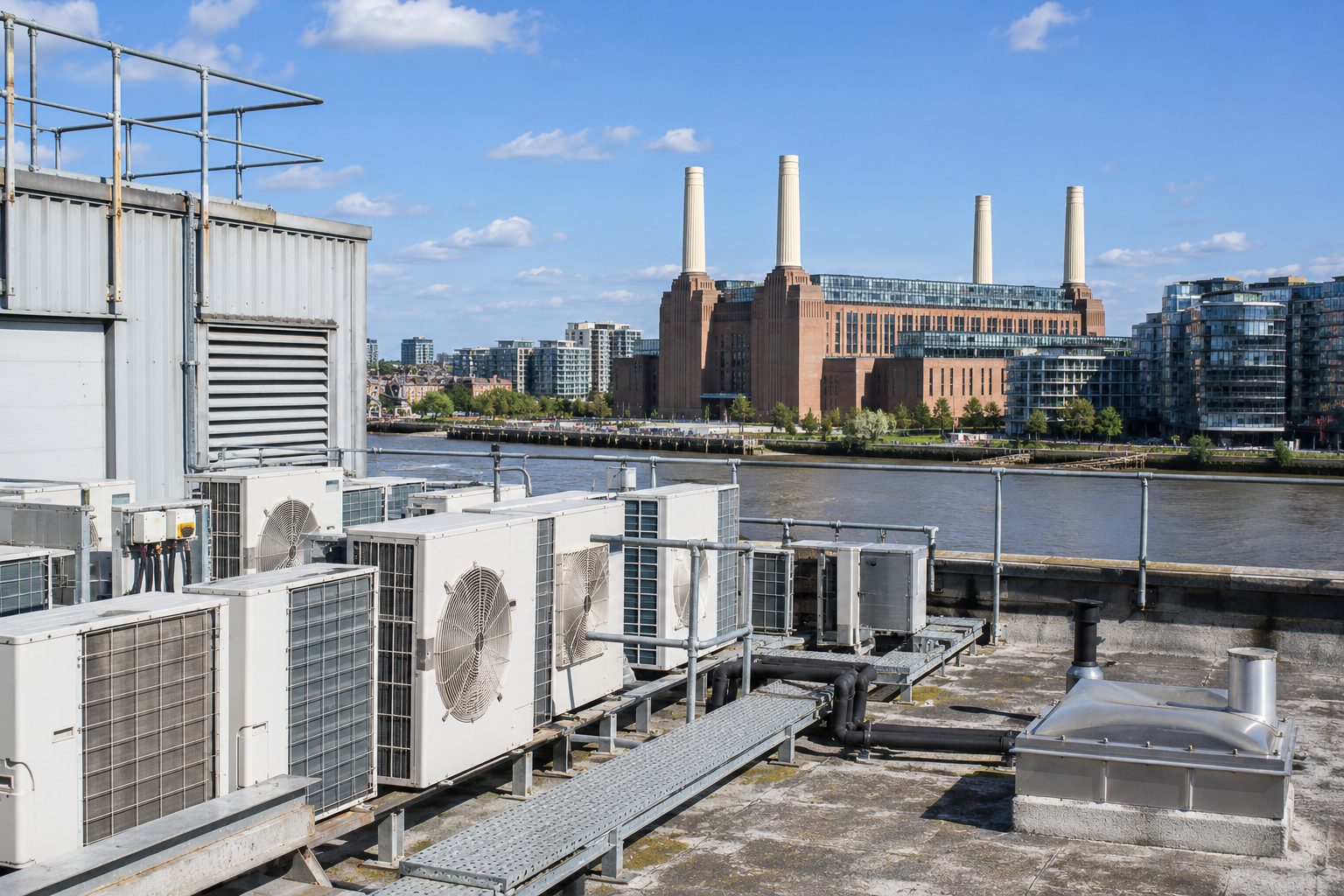
Three regimes built in.
The United Kingdom, the European Union and Japan.
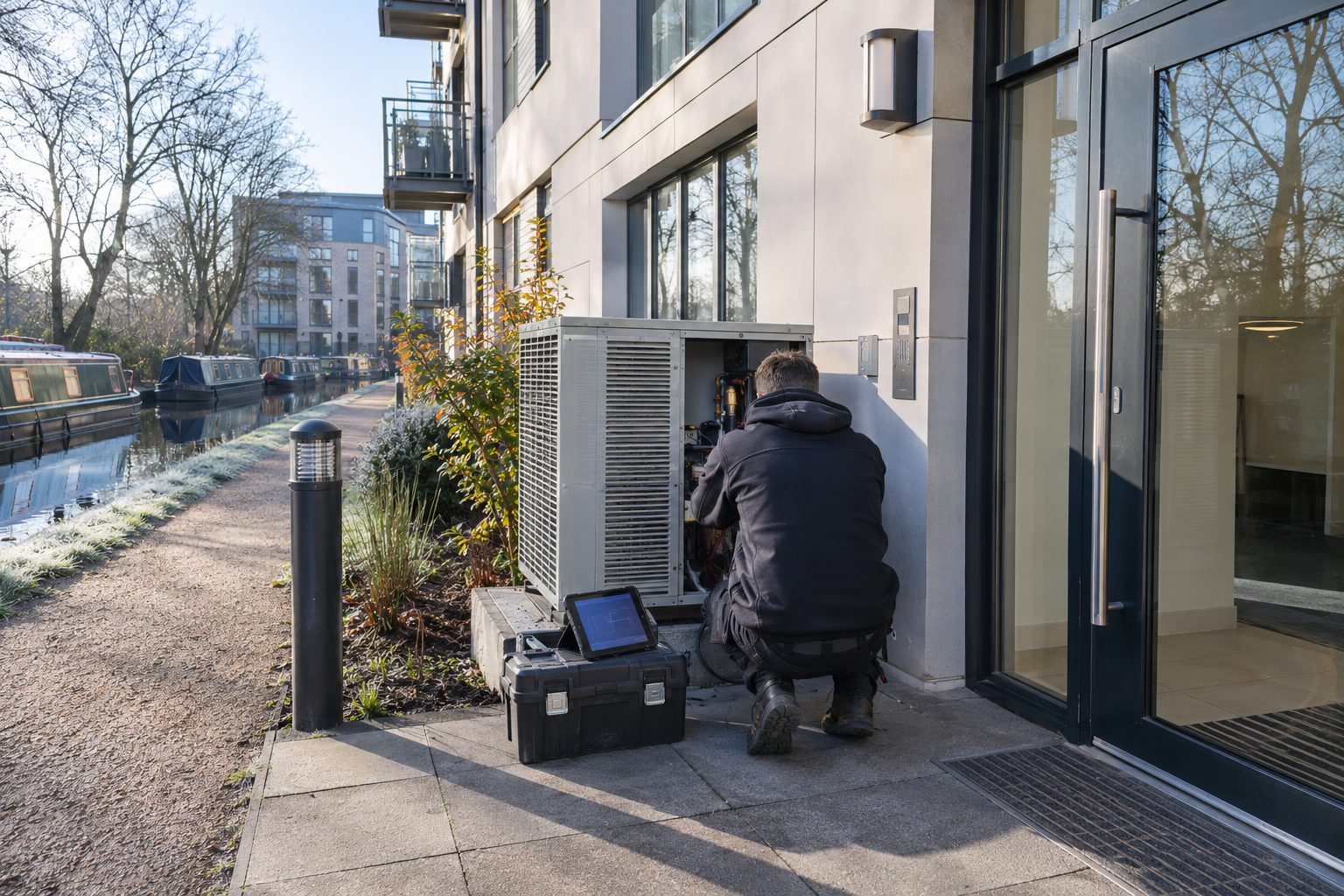
Charge calculation
The Daikin VRV pipe-length charge, worked out for you.
Enter the pipe runs and the additional charge is calculated on site, then recorded against the unit.
How the system worksOne ledger
Refrigerant sits on the same ledger as the rest of your stock.
Cylinders are stock. They move between the warehouse, the van and the site like everything else, and the record follows them.
Van and warehouse
Know which cylinder is where.
Recovered gas
Recovery recorded against the unit and the cylinder.
On the unit
Scan the unit's code to see its refrigerant history.
For the audit
Export the logbook without preparing it.

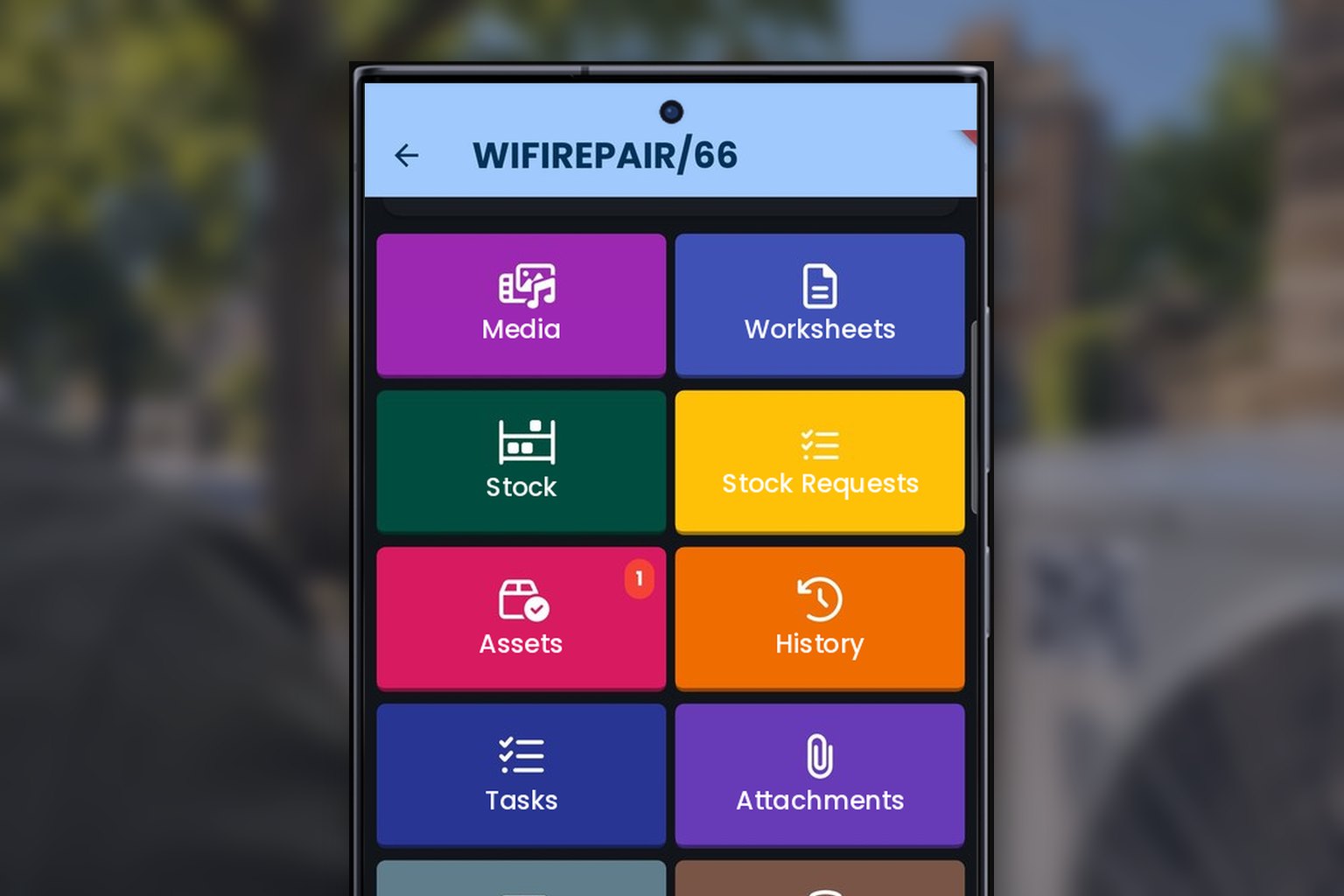
After the job
The record stays with the equipment.
A unit's refrigerant history is part of the building's record. It is there for the next visit, the next engineer and the next inspection.
Why FaciliTime